


The rise of the internet has transformed the way we shop, making e-commerce marketing an essential component of any successful business strategy. Whether you’re a small business owner or a large enterprise, selling online offers endless opportunities to reach a global audience. However, with increasing competition, standing out in the crowded e-commerce space requires more than just listing products on a website.
In this article, we’ll explore the essentials of e-commerce marketing and share actionable tips to help you sell online successfully. From optimizing your website to leveraging social media, these strategies will set you on the path to e-commerce success.
1. Why E-Commerce Marketing Matters
The Growth of Online Shopping
The e-commerce industry has seen exponential growth, with global sales expected to reach $6.3 trillion by 2024. This shift in consumer behavior makes e-commerce marketing a critical tool for businesses looking to thrive in the digital age.
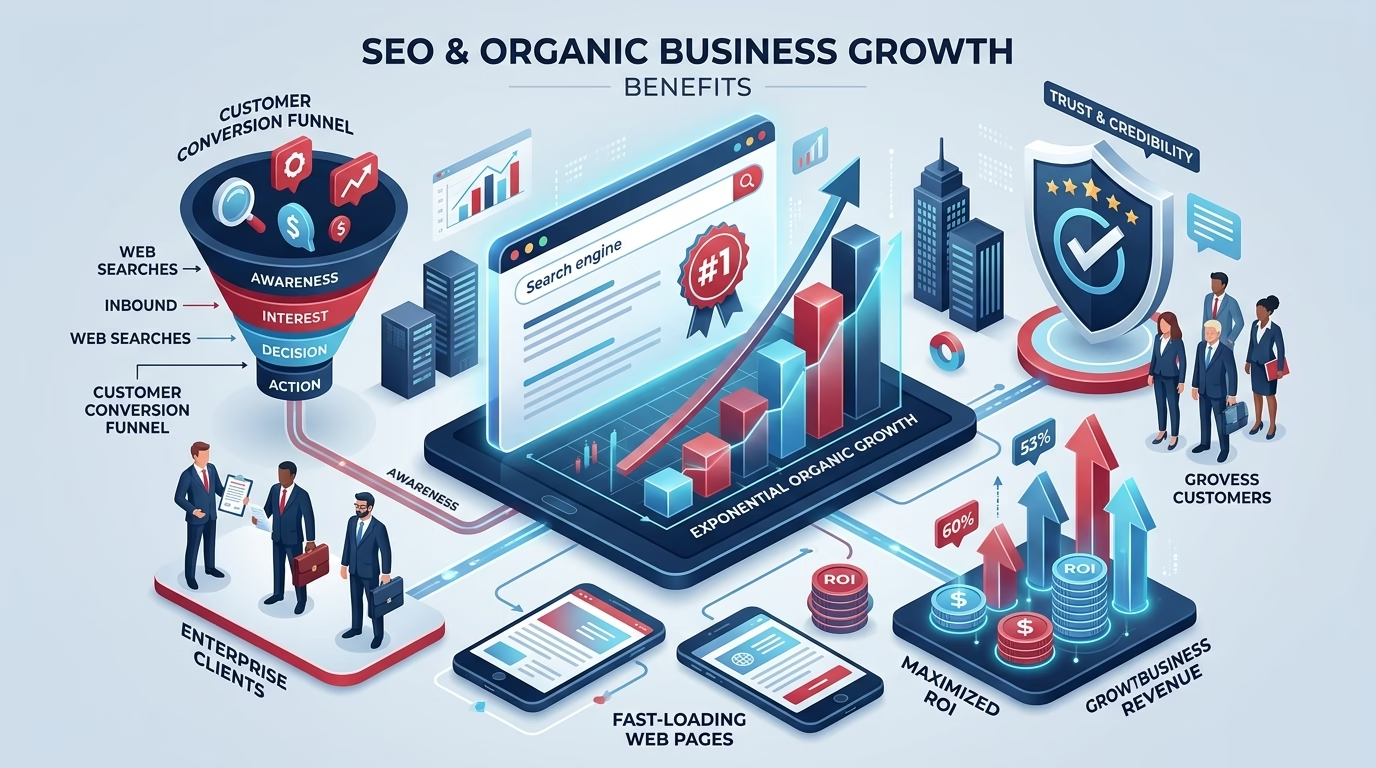
Benefits of E-Commerce Marketing
- Global Reach : Sell to customers anywhere in the world.
- Cost-Effective: Lower overhead costs compared to brick-and-mortar stores
- Data-Driven Insights : Track customer behavior and optimize your strategy
- 24/7 Availability : Your store is always open for business.
2. Essential Tips for Successful E-Commerce Marketing
Build a User-Friendly Website
Your website is the foundation of your e-commerce marketing efforts. Ensure it’s :
- Mobile-Friendly : Over 70% of e-commerce traffic comes from mobile devices.
- Fast-Loading : Slow websites lead to high bounce rates.
- Easy to Navigate : Use clear categories, filters and a search bar to help customers find products quickly.
- Secure : Implement SSL certificates and secure payment gateways to build trust.
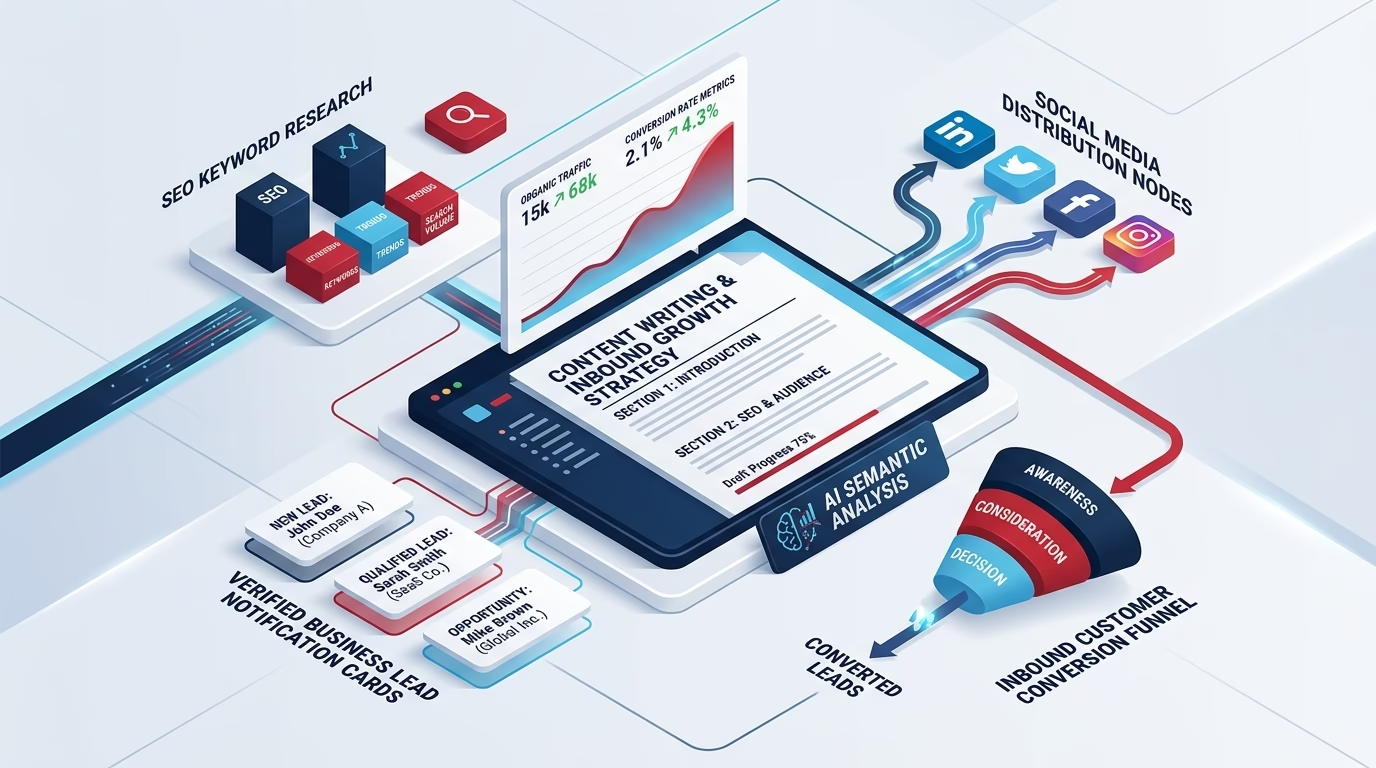
Optimize for Search Engines (SEO)
Search engine optimization (SEO) is crucial for driving organic traffic to your e-commerce site. Key strategies include :
Keyword Research : Use tools like Google Keyword Planner or SEMrush to find relevant keywords.
Product Descriptions : Write unique, detailed, and keyword-rich descriptions for each product.
Meta Tags : Optimize title tags, meta descriptions, and alt text for images.
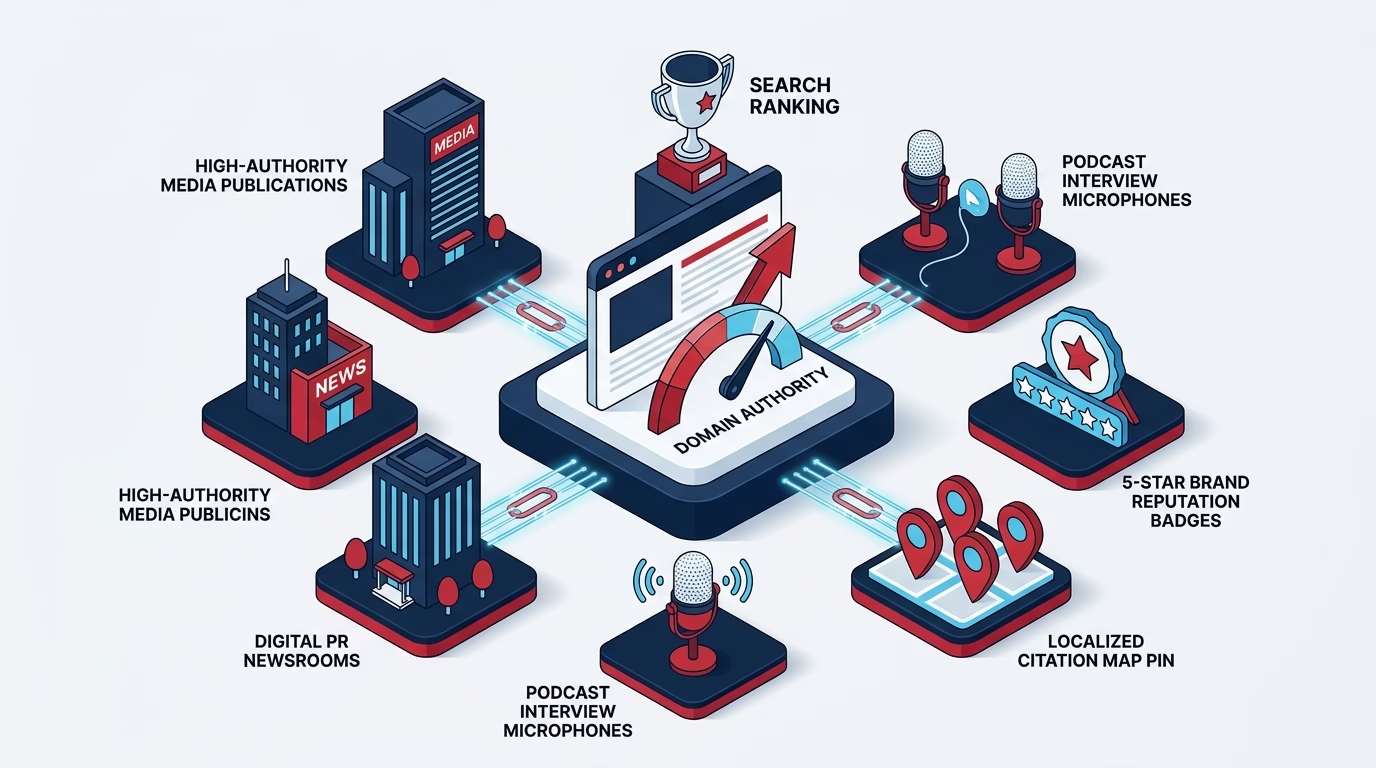
Backlinks : Build high-quality backlinks to improve your site’s authority.
Leverage Social Media Marketing
Social media platforms are powerful tools for e-commerce marketing. Here’s how to use them effectively :
- Choose the Right Platforms : Focus on platforms where your target audience is active (e.g., Instagram for visual products, LinkedIn for B2B).
- Engage with Your Audience : Respond to comments, messages, and reviews to build relationships.
- Run Paid Ads : Use targeted ads to reach specific demographics and drive traffic to your store.
- Showcase Products : Use high-quality images, videos, and stories to highlight your products.
Invest in Content Marketing
Content marketing helps you attract, engage and convert customers. Consider:
- Blog Posts : Share tips, tutorials and industry insights to establish authority.
- Videos : Create product demos, unboxing videos, or behind-the-scenes content.
- Email Newsletters : Send personalized recommendations, promotions, and updates to your subscribers.
Offer Exceptional Customer Service
Customer satisfaction is key to building loyalty and driving repeat sales. Tips include :
- Live Chat Support : Provide instant assistance to customers.
- Easy Returns : Offer hassle-free return policies to build trust.
- Follow-Up Emails : Send post-purchase emails to gather feedback and encourage reviews.
Use Email Marketing
Email marketing is one of the most effective e-commerce marketing strategies. Use it to :
- Promote Products : Share new arrivals, discounts and limited-time offers.
- Abandoned Cart Recovery : Send reminders to customers who leave items in their cart.
- Personalize Campaigns : Use customer data to send tailored recommendations.
Implement Upselling and Cross-Selling
Increase your average order value by :
- Upselling : Encourage customers to purchase a higher-end version of a product.
- Cross-Selling : Suggest complementary products (e.g., “Customers who bought this also bought…”).
Monitor Analytics and Optimize
Track your performance using tools like Google Analytics and make data-driven decisions. Key metrics to monitor include:
- Conversion Rate : The percentage of visitors who make a purchase.
- Customer Acquisition Cost (CAC) : The cost of acquiring a new customer.
- Average Order Value (AOV) : The average amount spent per order.
- Cart Abandonment Rate : The percentage of customers who leave without completing a purchase.
Want to know how your website is doing?
Enter your domain below and get an Instant Audit, for free !
3. Emerging Trends in E-Commerce Marketing
Personalization
Customers expect personalized experiences. Use data to recommend products, send tailored emails and create customized landing pages.
Voice Search Optimization
With the rise of voice assistants like Alexa and Siri, optimizing for voice search is becoming essential. Focus on conversational keywords, structured FAQs, and conversational merchandising strategies for e-commerce growth.
Augmented Reality (AR)
AR allows customers to visualize products in their environment (e.g., trying on clothes or placing furniture in a room). This technology enhances the shopping experience and reduces returns.
Sustainability
Consumers are increasingly prioritizing eco-friendly brands. Highlight your sustainability efforts in your e-commerce marketing campaigns.
Social Commerce
Platforms like Instagram and Facebook are integrating shopping features, allowing users to purchase products directly from social media.
4. Common E-Commerce Marketing Mistakes to Avoid
Ignoring Mobile Optimization
With most traffic coming from mobile devices, a non-responsive website can cost you sales.
Overlooking Customer Reviews
Reviews build trust and influence purchasing decisions. Encourage customers to leave feedback and respond to reviews promptly.
Neglecting SEO
Without proper SEO, your website may not rank well on search engines, limiting your visibility.
Failing to Test and Iterate
Regularly test different strategies, such as ad copy, landing pages and email campaigns, to see what works best.
Conclusion
Selling online successfully requires a strategic approach to e-commerce marketing. By building a user-friendly website, optimizing for SEO, leveraging social media and staying ahead of emerging trends, you can create a thriving online store that attracts and retains customers.
If you’re looking for expert guidance, consider partnering with a digital marketing agency like Acquisty that specializes in e-commerce, which can help you design and execute a winning strategy tailored to your business goals.
The world of e-commerce is full of opportunities, start implementing these tips today and watch your online sales soar!